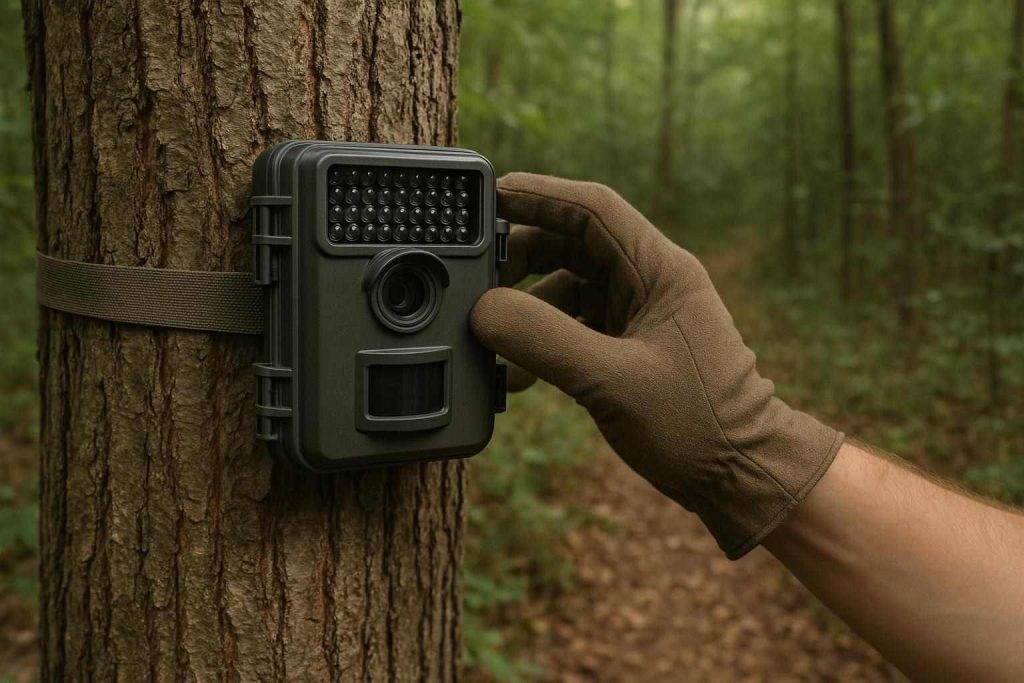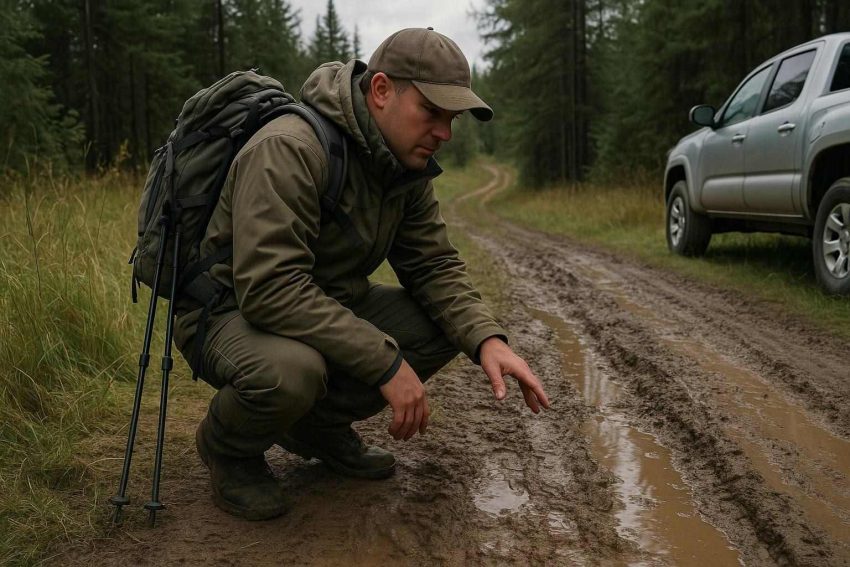
A cold front turned yesterday's dry access trail into clay and the stand you planned to use now sits downwind of the only open approach. The issue is not a lack of gear but a mismatch between equipment, terrain, weather and the way the hunt can be conducted responsibly. Good preparation starts by reading those conditions then choosing a setup that keeps you mobile, comfortable, legal and able to make decisions.
Start with the ground, not the gear closet
Before deciding what to carry study the route from the parking area to the hunting position. Look for standing water, loose rock, thick brush, steep side slopes and places where a quiet return may be difficult after dark. A lightweight setup may suit a walk over firm ground while sturdier footwear and fewer accessories are better for wet uneven terrain where balance matters more than speed.
Access can also change the options available. If reaching a position requires crossing property closing a gate cutting through sensitive habitat or disturbing livestock change the plan. A route that looks efficient on a map may be unsuitable in practice.
Mark possible escape routes, parking locations and places where you can pause without blocking other hunters. These details reduce rushed decisions in the field.
Let weather shape the choices
Forecasts are useful but conditions at ground level may differ sharply from the nearest weather station. Wind can funnel through a draw fog can settle in ground and a brief shower can make an exposed ridge unpleasant before temperatures become dangerous. Check the forecast close to departure. Allow for change instead of choosing equipment for one ideal prediction.
Layering is usually more adaptable than relying on one garment. Start with moisture-managing clothing add insulation for periods and keep a weatherproof outer layer accessible. The right combination depends on movement, wind exposure and how long you expect to sit
Cold hands, feet and overheated clothing can affect judgment. If a piece of equipment makes you sweat heavily during the approach it may be wrong for a hunt. If it leaves you shivering while glassing or waiting comfort has become a safety concern.
Match the setup to terrain and visibility
Dense cover, open country and broken woodland demand priorities. In vegetation quiet movement, compact equipment and clear safe lanes matter more than carrying every accessory. In terrain concealment, wind protection and a stable way to observe at a distance may deserve greater attention.
Do not confuse a view with a better opportunity. Terrain can limit what is safe, legal or practical when an animal is visible. Identify what lies beyond the area, where other people could appear and whether changing light will make identification harder. If those answers are uncertain, wait, reposition or pass.
A fixed position can work when wind, access and visibility are predictable. A mobile approach may suit shifting conditions. Mobility should not become an excuse for noisy hurried movement. Choose the option that lets you remain observant and controlled.
Decide what you actually need to carry
Build a pack around decisions not equipment categories. Water, navigation, weather protection, first-aid supplies, communication equipment and a reliable light deserve attention before novelty accessories. The list changes with distance, season, terrain and local rules so test the arrangement before the hunt.
A focused pre-departure check should include:
– Confirm the forecast, wind direction daylight and expected ground conditions.
– Verify access permissions, season dates, legal methods and required licenses.
– Check that clothing and footwear suit both the approach and the stationary period.
– Pack water, food, first aid, navigation and a backup light where they are easy to reach.
– Make sure communication plans work in the area with a fallback if service's absent.
– Decide in advance what conditions will make you turn back or end the hunt.
A familiar item that fits well and works reliably is often preferable to an option that has not been tested in similar conditions. Inspect straps, closures, batteries, waterproofing and footwear soles. Small failures become problems when weather changes or the route takes longer than expected.
Build ethics into the plan
hunting is not limited to what happens after a shot. It includes choosing a position that allows identification maintaining awareness of the surroundings respecting other hunters and stopping when conditions make a responsible decision unlikely. A plan that depends on rushing, visibility or an uncertain recovery should be revised before the hunt.
Think about recovery before taking a position. Can you reach the area without crossing fragile habitat or creating a hazard? Is there daylight and access to handle the result appropriately? If not the setup is not ready regardless of how promising the location seems.
Leave the ground least as good as you found it. Pack out waste avoid damage to vegetation keep gates and boundaries in mind and give wildlife space when conditions are stressful. Conservation is often expressed through these decisions.
Recheck rules and conditions before departure
Hunting regulations can change by jurisdiction, season, species, land type and method. Confirm requirements through the relevant official wildlife agency or land manager including licenses, reporting duties, legal equipment, access restrictions and local closures. Do not rely on a screenshot, a remembered rule or advice copied from another region.
Also check fire restrictions, road access and temporary habitat protections. A familiar property may have limits and a public area may be closed or subject to special conditions after weather events. Keep information available offline when possible especially where reception is weak.
Good preparation is a form of restraint. Read the weather, ground and rules honestly; choose equipment that supports the conditions, than your ambitions; and leave yourself a clear reason to stop. That approach makes a hunting setup useful because it is built for sound decisions not merely for getting into the field.