Things to Think About When Setting Up Trail Cameras on Public Land
Before you put up a trail camera it's important to think about why you need the trail camera and about the responsibility you have. A trail camera can give information about animals. If you put the trail camera in the place many problems can happen. These problems include arguments, with hunters and changes in how animals act. When you plan ask yourself not about the quality of the trail camera pictures but about how the trail camera can answer your questions about scouting while following the rules and keeping the environment safe.
Deciding What You Want
Start by writing down the questions you want the trail camera to answer. Are you trying to find out where animals cross to study how specific animals behave or to see which areas are more active? If you just put up a trail camera because it is easy such as hanging it on a tree that you can reach easily the trail camera will often take pictures and not useful information.
Write down the question that the trail camera should answer so that your purpose is clear before you go out. For example if you are interested in a path set the trail camera to catch movement through that path or along the path. Consistency is very important; when you compare places keep the angles and the time between checks the same to avoid conclusions.
Pay attention to the rules about using bait or attractants in the area where the trail camera will be placed. Use these methods when the land manager allows them because permission can change a lot from one place to another and from one season to another. Always look for the rules.
Picking the Right Spot
Choosing where to put the trail camera is very important. The goal is to record animal movement without making animals change their paths. Pinch points and edges of fields can look good. The obvious places are not always the best. For example if you put a trail camera near a water spot that many animals use the trail camera might get pictures. It can also make the area a place where humans leave scent and bring activity, which can make the place more risky.
Keep a distance from places such as nests or sleeping areas in the months when young animals are around. The data the trail camera collects should come from the edge of the animals activity not from inside their living spots.
Think about people who might be in the area. Do not set the trail camera so that it looks at campsites parking lots or busy trails. It is not right to capture faces or license plates that can be recognized. It is also important to keep privacy whenever possible. If you cannot avoid a path set the trail camera so it looks downwards. Limit what it can see.
Setting Up the Camera for Good Results
The quality of the pictures the trail camera takes does not depend on having a high sensitivity setting. A high sensitivity can create images that fill up the memory card before the trail camera gets data. Start the trail camera with the sensitivity that still records the movement you want to see. Change the settings after you look at the results.
Watch the timing too. A short delay can give you repeated pictures while a long delay might miss animals. Before you trust time patterns check that the clock on the trail camera is correct and think of temperature readings as clues, not numbers.
Check how the trail camera works at night well. A visible flash can scare animals. Change how they act. Remember that infrared systems are not completely invisible; some animals might notice the light or noises. Test the trail camera in light at home to see if there are any problems from glare or sounds.
Keeping the Camera Safe and Responsible
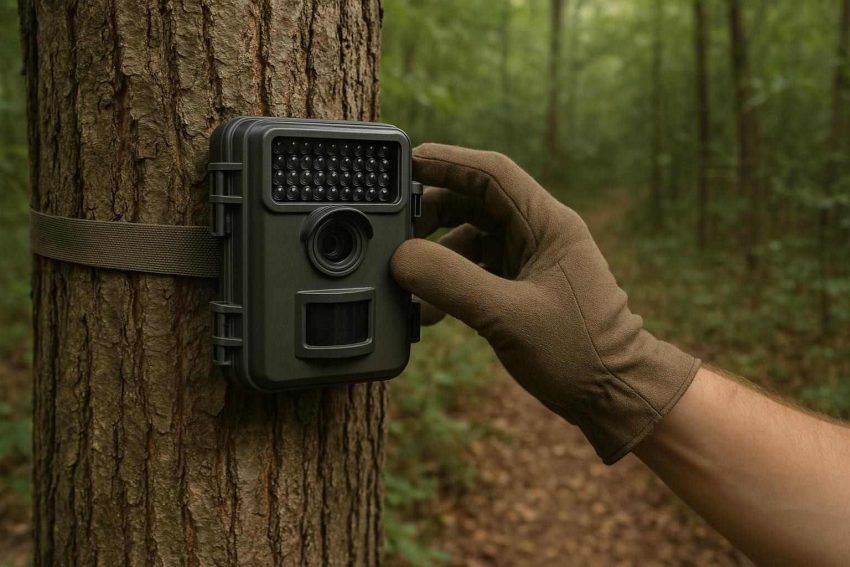
When you set up the trail camera choose ways that harm the environment the least. Putting a strap around a tree is usually better than using hardware that can puncture the bark. Do not stick the trail camera to protected trees, signs or any buildings unless you have permission. Make sure the setup can stand in weather without needing to change the plants.
If theft is a worry use a lock or another safe method. Write down the trail camera details if it is lost. Try to keep the trail camera hidden; just hiding it in the grass is not enough if it is in a place that people can see. A clear trail camera near an area can draw peoples eyes and interest.
When you finish look at the area from the way an animal sees it. Look for things that could attract their attention, such as straps or scent trails. Throw away any boxes or signs that break the rules for the place to keep your trail camera impact small.
Keeping Your Impact Small When Checking the Camera
Each time you go to your camera you risk entering wildlife habitats. Plan your visits by looking at battery life and storage space not by convenience. If the camera is working well and weather stays stable do not make trips just to check camera status.
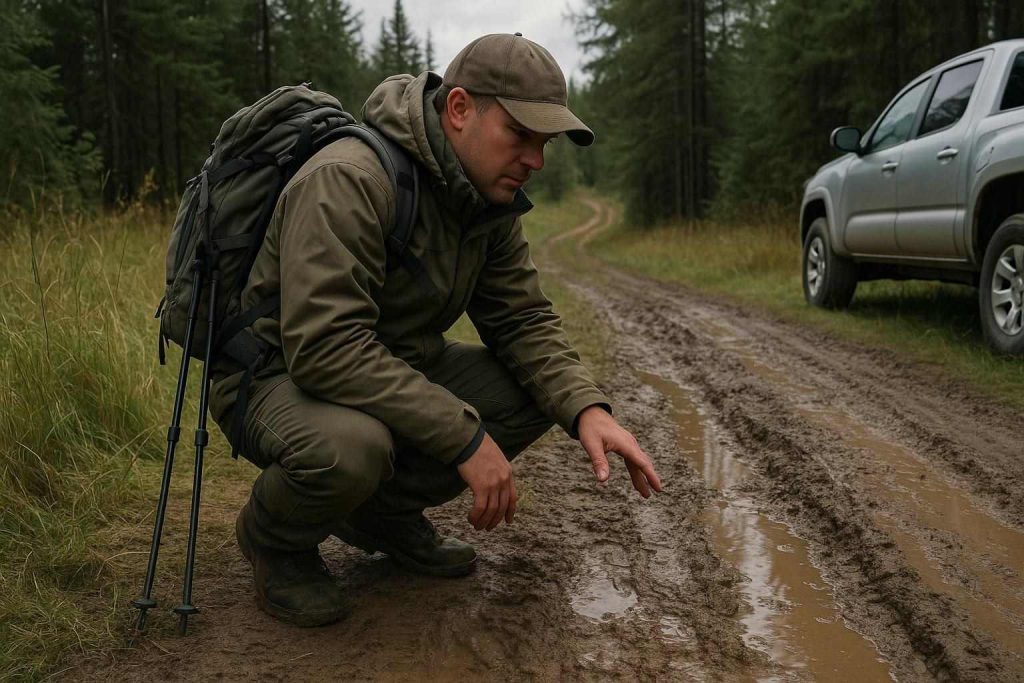
Come to the camera quietly. Where possible do not walk on paths. If you see signs of animals be ready to leave and keep noise down. Keep visits silent. Wait until you are far from the camera to look at images.
Using cell phones can reduce walking. Make sure you know placement rules and data limits. Just because you can view images from afar does not mean the camera can be put anywhere. Always check land management rules about using devices and know how long the camera images will stay or be shared.
Things to Check Before Setting Up
– Make sure that the rules for the property allow the use of the camera and its features.
– Ensure the camera view does not include houses, campsites or busy trails.
– Confirm that the camera setup answers a scouting question.
– Stay away from habitats. Think if you must cut plants for a view.
– Test the date, time, detection settings and night mode on the camera.
– Make sure batteries and weather seals fit the expected conditions for the camera.
– Plan to keep visits few and leave no trace from the camera.
Rules about cameras, bait, access and image handling may change. Always read the rules, for the area where you plan to scout especially if it is new and unfamiliar.
By setting up the trail camera responsibly you can collect data while respecting wildlife and other outdoor lovers. This balance improves scouting success. Supports a world.